
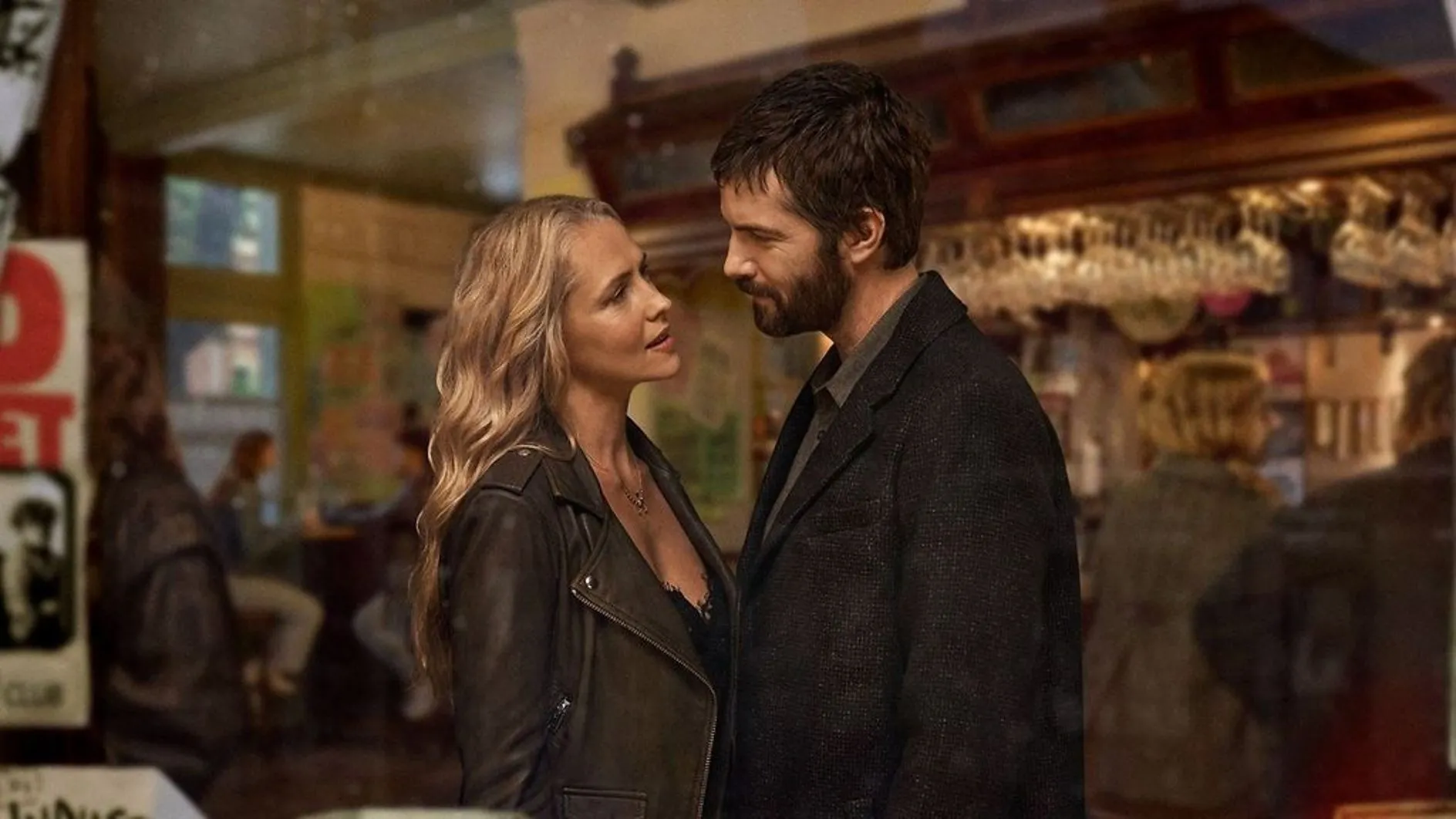
In July, the streaming service Binge premiered a brand new romance drama (which you can watch on BBC in the UK) to our screens, Mix Tape. Based on Jane Sanderson’s book, the story’s tapestry is woven by the power of music, miscommunication, and good, old-fashioned yearning. The four-part series sees the assembly of tracks by The Cure, The Stone Roses, and New Order, carefully curated to narrate the relationship between Dan and Alison, teenagers from Sheffield. They forego a relationship rooted in mutual musical taste that transcends distance and time, reconnecting after 25 years. Think Normal People meets Before Sunset. Dan and Alison’s lack of communication and their love lost in translation will have you screaming at the TV, but their inerasable imprint on each other’s lives is redemption for the emotional rollercoaster this show lends.

Mix Tape will reignite the urge to update your ’80s alternative rock playlist; hearing ‘Love My Way‘ by the Psychedelic Furs and ‘Lovesong‘ by The Cure has put this genre back on my Spotify map; when Dan and Alison do reconnect, it’s this music that acts as a plaster to their maimed relationship. The catchy riffs and big, loud guitar solos add a gritty and gothic texture to the series. However, the show is not all eighties rock and roll partying; the series grapples with and does not shy away from difficult themes, so do be warned and read the description before viewing.
The creative direction of Mix Tape was refreshing and seductive; I finished the series in a day. The fragmented narrative, shifting between 1980’s Sheffield and the present day, makes us consider the disparity between their lives then and now and how things could have been different. Seeing events unfold in the past and present allows us to join the dots of where things all went wrong throughout the show, not just at the end. Director Lucy Gaffy and screenwriter Jo Spain blend their talents to shoot some thoughtful transitions between eras, knowing just the right time to head back to Sheffield or fast forward 25 years. The acting and shot choices make the character’s motives transparent to us as viewers, though not to each other, which makes this drama all the more painful; you just want to shout at them through the TV. The script is written so that you’re transported back to your teenage years, and it does well to convey the awkward, lusting school corridor dialogue.
It’s difficult to tell that it is Rory Walton Smith’s first real acting job; he plays a young Dan O’Teele, and his chemistry with Florence Hunt (Bridgerton star) radiates off the screen. Their acting perfectly depicts the familiar, awkward, and terrible conundrum that is young love. For anyone who was a teenager in the ’80s, I’d warn you that the house party scenes may induce some involuntary nostalgia for those awkward living room conversations and being sick in someone’s downstairs toilet.
The ending was perhaps slightly too scant for my taste, but to avoid any spoilers, let’s just say I was left craving further explanation and a “What happens next then?“.
But, it is a gorgeous story with a gorgeous ending, one of redemption, reconnection, and revitalising relationships with people who have got lost on the way.